Utthan Pristhasana | Lizard Pose

Mythology of Utthan Pristhasana
A deep, grounding hip opener symbolizing strength, adaptability, and primal wisdom.
The name comes from:
Utthan – to stretch out or extend
Pristha – the back or flank of the body
Asana – posture

Although not tied to a specific mythological deity, Lizard Pose is inspired by the qualities of the lizard in ancient yogic symbolism.
Lizards were seen as creatures of instinct, intuition, and survival. They move close to the earth, sensing vibrations before they are visible. Their ability to shed their tails was seen as a metaphor for letting go of what no longer serves, adapting and moving forward without fear.
In some folklore, lizards were considered guardians of transitions, helping travelers navigate between known and unknown paths.
Utthan Pristhasana captures that energy:
grounded yet alert
strong yet flexible
close to the earth yet full of inner wisdom
When we practice this posture, we embody our own instinctive intelligence and the ability to navigate life’s challenges with both stability and openness.
To this day, Utthan Pristhasana reminds us of the wisdom of the earth and the quiet courage of small creatures.
It teaches us that when life feels uncertain, the path becomes clear when we lower ourselves, ground deeply, and listen inwardly.

How to Do Utthan Pristhasana
Begin in Downward-Facing Dog.
Step your right foot forward to the outside of your right hand.
Lower your back knee onto the mat (or keep it lifted for more intensity).
Keep hands under shoulders or lower to forearms for a deeper stretch.
Allow the hips to sink forward and down, keeping the spine long.
Keep the front knee stacked over the ankle and toes pointing forward.
Breathe deeply for 5–10 breaths, then switch sides.

Variations of Lizard Pose
1. Supported Lizard with Blocks
Place forearms or hands on blocks to protect shoulders or reduce strain.
2. Quad Stretch Variation
Bend the back knee and hold the foot with your hand for a deeper hip flexor stretch.
3. Toe-Tucked Active Lizard
Tuck the back toes under and lift the back knee for more strength and stability.
4. Twist Variation
Lift one arm to the sky or place hand on the thigh for spinal rotation.
5. Bound Lizard
Wrap one arm under the front thigh and clasp hands behind for an advanced bind.

Benefits of Utthan Pristhasana
Deep stretch for hip flexors, groins, and inner thighs
Opens the hamstrings and psoas
Strengthens the arms and shoulders
Enhances lower-body mobility
Helps release stored tension and emotions held in the hips
Improves circulation to the pelvic region
Prepares the body for deeper hip-openers and backbends

Disclaimer
Avoid if you have knee issues, groin injuries, or hip inflammation.
Use padding under the back knee if needed.
Do not allow the front knee to fall inward—keep alignment steady.
Move gradually into deeper variations, never forcing the hips open.
Pregnant practitioners should avoid deep compression in this shape.

Relationship of This Posture to Well-Being
Utthan Pristhasana teaches us to stay grounded during moments of deep release.
It encourages patience, courage, and emotional resilience. By opening the hips—the body’s storehouse of stress and suppressed feelings—we learn to soften into vulnerability while staying firmly rooted.
The pose invites us to trust our inner instincts and navigate life with both strength and fluidity.

Affirmation for Utthan Pristhasana
“I am grounded, open, and adaptable. I release what I no longer need.”

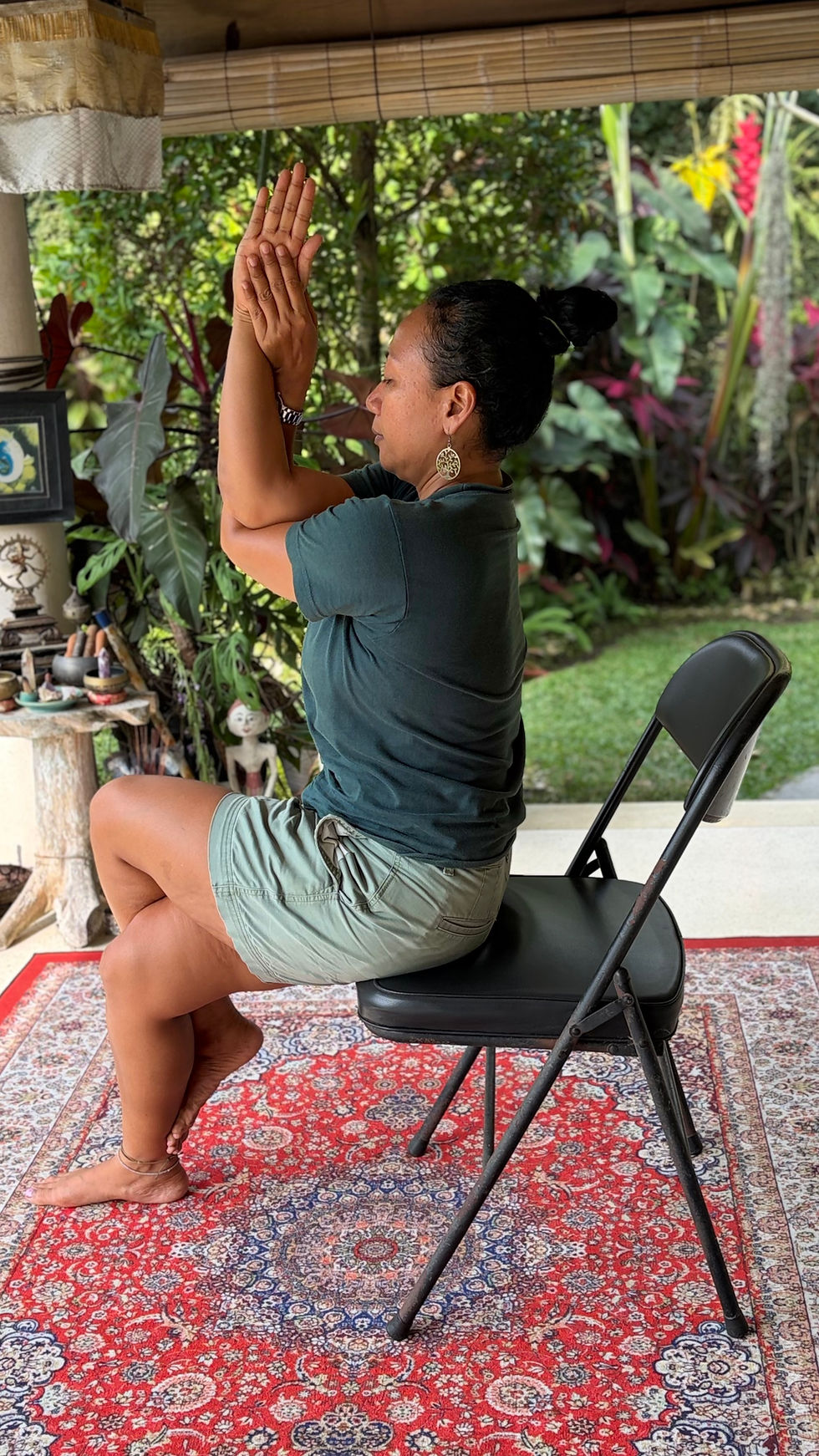


A very clear explanation and the illustrating photos are excellent. 👍😊